
Photos and visible condition
Wide views, close-ups, cracks, pitting, stains, joints, drains, transitions, old coatings, and obvious repair areas give the first reply useful context.
Our Approach
A good floor coating estimate depends on the slab, the space, and how the floor will be used. Liquid Stone Solutions keeps the first conversation focused on condition, timing, prep needs, and the finish that makes the most sense.
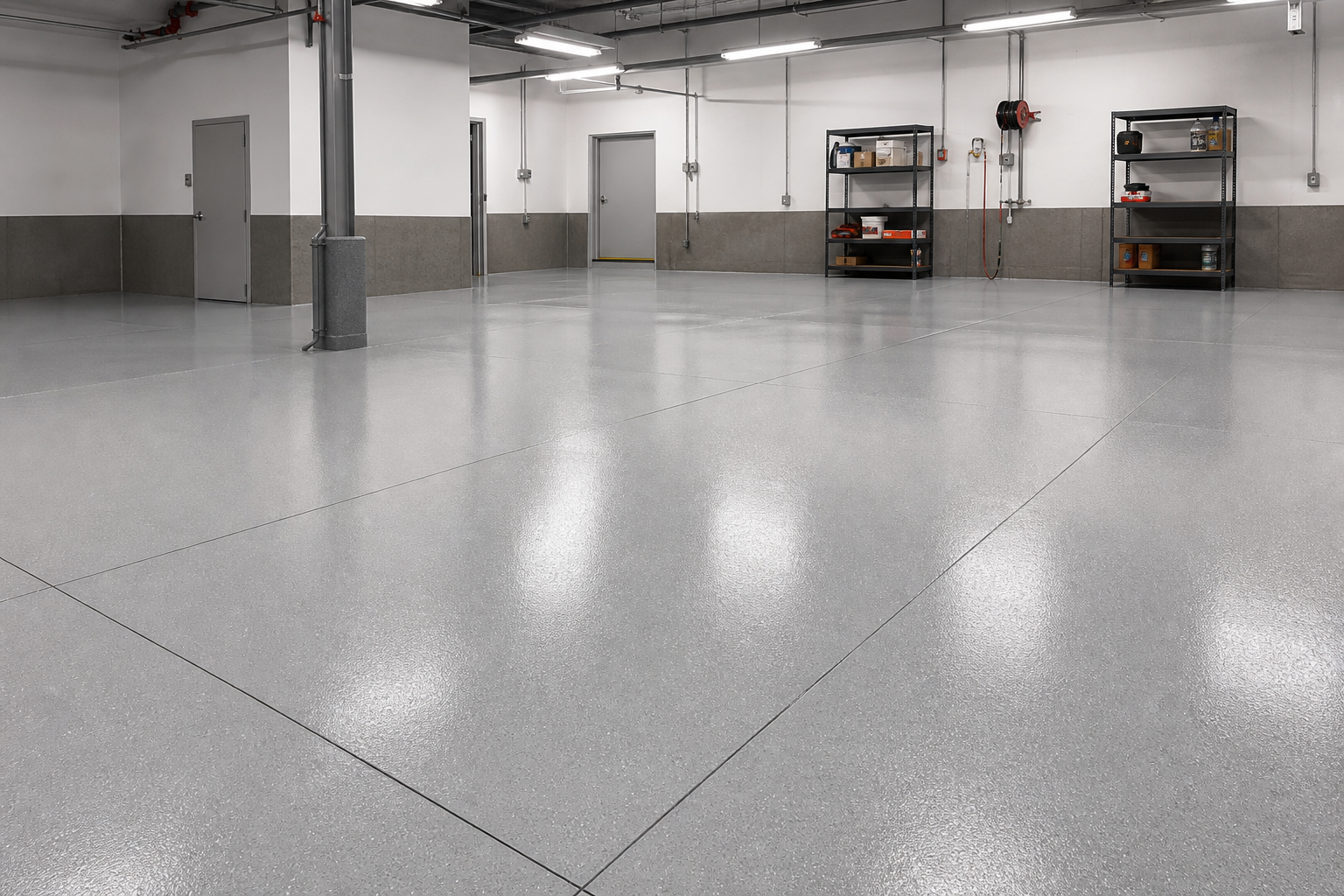
Estimate discipline
The first review should make the next conversation sharper. These are the details that help separate a realistic project path from a vague coating quote.
Wide views, close-ups, cracks, pitting, stains, joints, drains, transitions, old coatings, and obvious repair areas give the first reply useful context.
Parking, storage, shop work, basement use, customer traffic, scheduling pressure, and return-to-use goals can all shape what should be discussed next.
Repair needs, previous coatings, contamination, and moisture history deserve attention before a coating system, finish, or price range is treated as settled.
Nearby requests are reviewed by location, project type, floor condition, and whether photos are enough to decide the next useful step.
Step 1
We collect location, project type, approximate size, current concrete condition, photos when available, and timing goals.
Step 2
The estimate considers cracks, old coatings, surface contamination, moisture concerns, transitions, and how much prep the slab may need.
Step 3
Garage, basement, shop, and commercial floors each need practical decisions about color, flake coverage, traction, cleaning, and downtime.
What waits for context
Exact pricing, product direction, repair assumptions, cure and return-to-use timing, moisture conclusions, and traction expectations should be handled after enough project context is known.
Ready for a better first reply?
The request form is built to collect the pieces that make the first response more useful: location, service type, square footage, photos, condition, use, timing, and project notes.