
Size and layout
Square footage, room shape, edges, stairs, drains, transitions, built-ins, and access can affect how the project is planned.
Pricing factors
Square footage matters, but it is not the whole estimate. Floor condition, prep needs, repairs, coating direction, access, timing, and photos can all change the scope before pricing makes sense.
Estimate signals
A better first estimate request tells the story of the slab, not just the room size. These are the details that help sort a simple floor from one that needs more review before anyone should talk numbers.
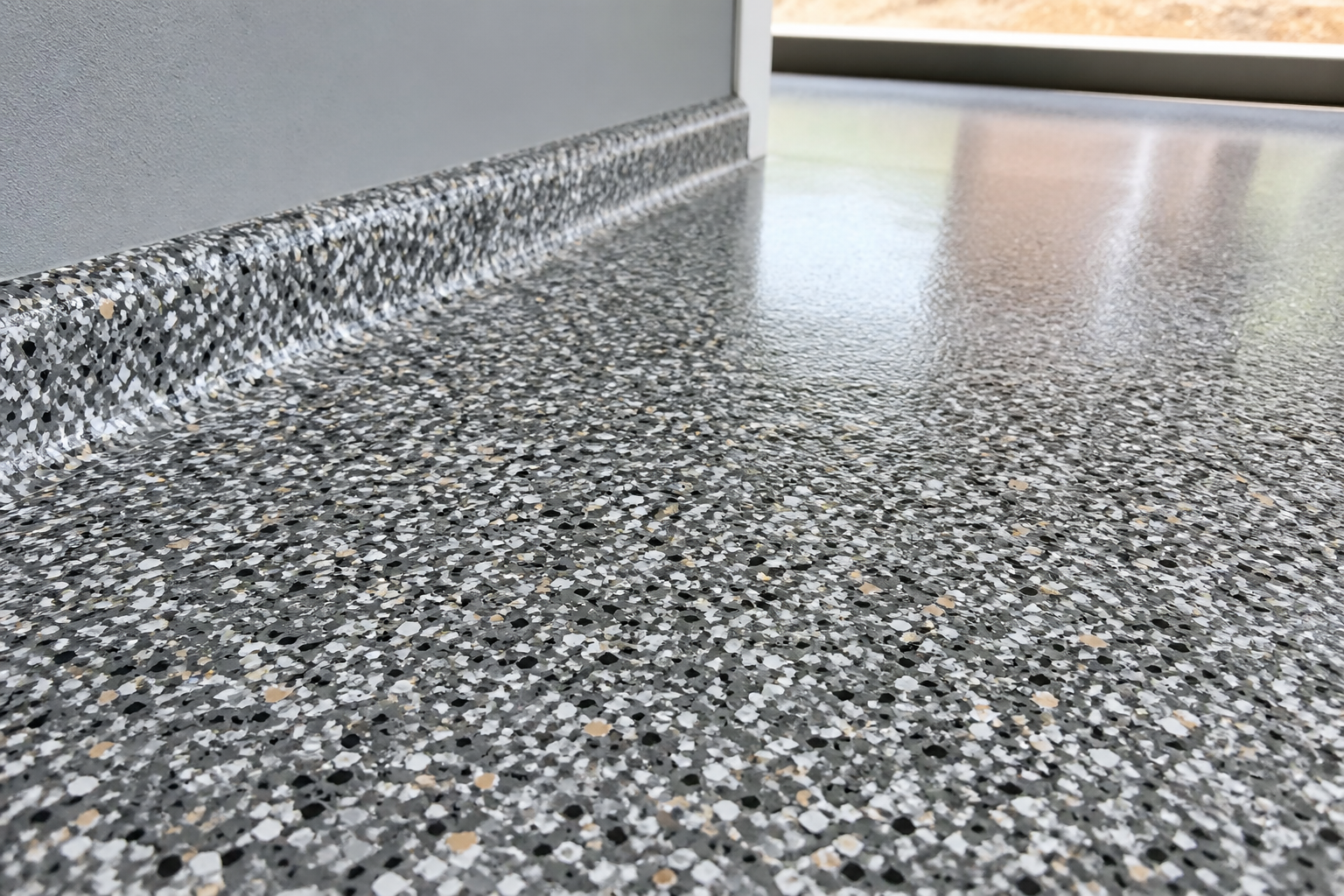
Approximate size sets the starting scale, but layout, edges, drains, stairs, and built-ins can change how the job is planned.
Cracks, pitting, old coatings, stains, moisture history, and contamination all matter before the scope can be treated seriously.
A garage, basement, shop, showroom, or commercial space can need different traction, durability, cleaning, and finish decisions.
Parking, storage, business hours, weather exposure, and return-to-use pressure can affect the recommendation and schedule.
What can change the scope
The point of this page is not to hide pricing. It is to avoid giving a number that ignores the floor, the prep work, or how the space needs to perform.
Square footage, room shape, edges, stairs, drains, transitions, built-ins, and access can affect how the project is planned.
Cracks, pitting, surface wear, contamination, old paint, prior coatings, and repair needs should be reviewed before price expectations settle.
Surface prep is one of the biggest reasons two similar-size floors can need different conversations before a quote is useful.
Decorative flake, color direction, texture expectations, cleaning needs, and traction goals should match how the space will be used.
Garage parking, basement living space, shop work, storage, customer traffic, and return-to-use timing can all affect the project path.
Photos help qualify the first reply. Some floors still need a site review before recommendations, scope, or timing can be treated seriously.
Careful pricing language
Exact price, product direction, repair assumptions, and return-to-use timing should wait until the project context is known. The estimate form is built to collect the details that make the next reply more useful.
Ready for a better first reply?
Use the estimate form for project requests. Use the photo guide if you want to see which images make the first review more useful.